
Scar Release Therapy in Cambridge, ON
Drug-Free Treatment for Painful & Restrictive Scar Tissue
Scars are more than a cosmetic concern. Whether caused by surgery, injury, trauma, or inflammation, scar tissue can restrict movement, compress nerves, disrupt circulation, and contribute to chronic pain—sometimes years after the initial injury.
At Galt Physiotherapy, we offer Scar Release Therapy (SRT) in Cambridge, Ontario, a safe, non-invasive, and clinically supported treatment designed to restore healthy tissue function, improve mobility, and reduce pain associated with scars and adhesions.
What Is Scar Release Therapy (SRT)?
Scar Release Therapy (SRT) is an advanced, drug-free treatment that uses microcurrent point stimulation to address dysfunctional scar tissue at a cellular and neurological level.
SRT is designed to reduce the negative effects scars can have on the body, including:
- Pain and sensitivity
- Restricted movement and tightness
- Fascial adhesions
- Altered muscle activation
- Disrupted blood and lymphatic flow
This therapy is effective for both new and old scars, even those that have been present for many years.
Why Scar Tissue Can Cause Ongoing Pain & Dysfunction
Although scars may appear healed on the surface, underlying tissue changes can persist. Scar tissue and adhesions may:
- Compress nearby nerves
- Limit joint and muscle mobility
- Alter posture and movement patterns
- Contribute to chronic pain conditions
- Interfere with exercise and daily activities
Addressing scar tissue directly can play a critical role in long-term pain relief and functional recovery.
How Scar Release Therapy Works
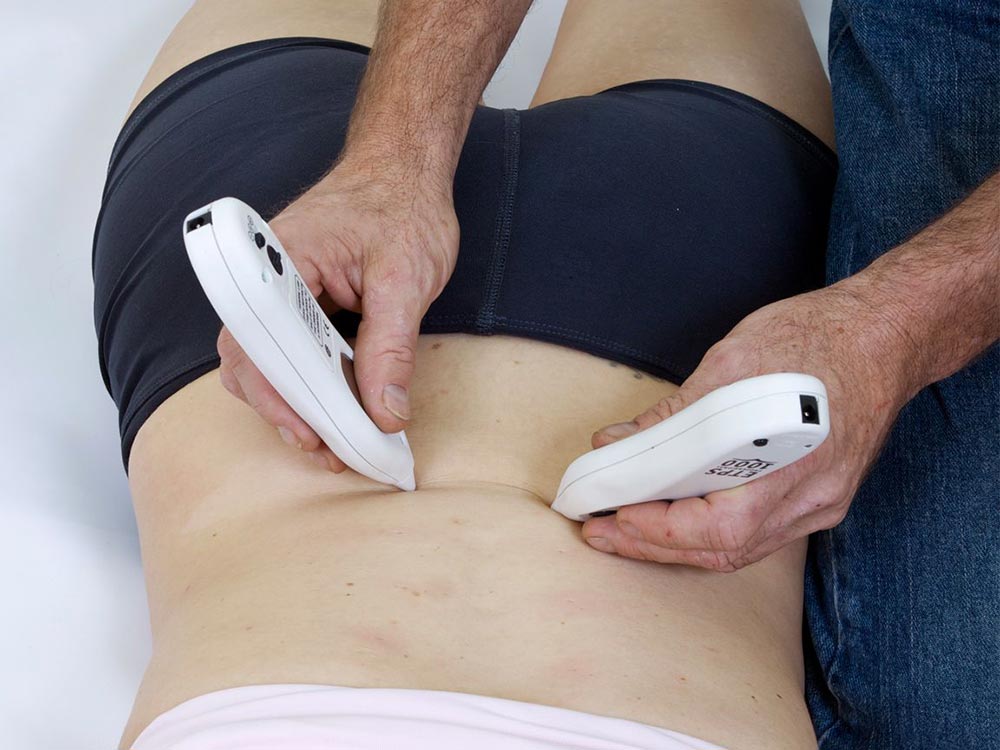
Scar Release Therapy uses low-level microcurrent stimulation applied gently to each side of the scar. This treatment is delivered using the Dolphin Neurostim™, a medical-grade device developed to support nervous system regulation and tissue healing.
Microcurrent stimulation helps to:
- Increase cellular metabolism and protein synthesis
- Improve circulation in scarred tissue
- Reduce adhesions and fascial restrictions
- Restore tissue mobility and elasticity
- Decrease pain and hypersensitivity
Clinical research has demonstrated up to 73.2% pain reduction after a single application (IJCAM, 2017).
Supporting research and publications:
https://www.mpscourses.com/research-publications/
Benefits of Scar Release Therapy
Patients receiving Scar Release Therapy at Galt Physiotherapy may experience:
- Reduced pain and sensitivity around scars
- Improved scar flexibility and tissue mobility
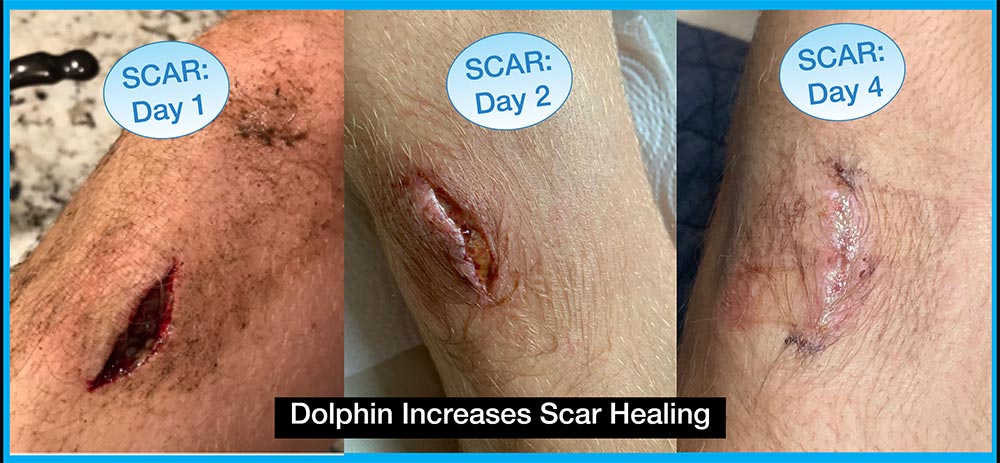
- Faster healing and tissue remodeling
- Improved movement and functional performance
- Non-invasive, drug-free treatment
- Comfortable, pain-free sessions
Many patients notice visible and functional improvements after just one treatment.
Conditions & Scars We Commonly Treat
Scar Release Therapy can help address scars from:
- C-sections and abdominal surgery
- Breast augmentation, reduction, or mastectomy
- Orthopaedic surgeries and fractures
- Removal of deep moles or skin lesions
- Facial surgeries and facelifts
- Traumatic injuries and accidents
- Sports injuries and muscle tears
Scar age does not limit results—both recent and long-standing scars often respond extremely well to treatment.
What to Expect During Your SRT Appointment
Scar age does not limit results—both recent and long-standing scars often respond extremely well to treatment.
- Assessment – Your physiotherapist evaluates the scar, surrounding tissue, and movement restrictions
- Targeted Treatment – Microcurrent stimulation is applied gently around the scar
- Treatment Time – Sessions typically last 15–30 minutes, depending on the scar’s size and depth
- Response – Many patients feel immediate changes in comfort, movement, or tissue softness
Scar Release Therapy is often integrated with physiotherapy, manual therapy, or rehabilitation exercises for optimal results.
How Many Scar Release Therapy Sessions Are Needed?
The number of sessions depends on:
- Scar size, depth, and location
- Tissue involvement and adhesions
- Individual healing capacity
Many scars show significant improvement within 1–3 sessions, with some adhesions releasing in as few as 2–3 visits. Your registered physiotherapy professional will create a personalized treatment plan based on your needs.
Why Choose Galt Physiotherapy for Scar Release Therapy?
At Galt Physiotherapy, we take an integrative, patient-centred approach to healing.
Our clinic focuses on:
- Evidence-informed treatment methods
- Nervous system regulation
- Functional movement restoration
- Long-term pain relief without medications
Scar Release Therapy is one of several advanced techniques we use to help patients move better, feel better, and return to the activities they enjoy.
Book Scar Release Therapy in Cambridge, ON
If scar tissue is limiting your movement or contributing to ongoing pain, Scar Release Therapy may be an effective solution.
Book your appointment today or learn more by contacting Galt Physiotherapy
Frequently Asked Questions:
No. Treatment uses very gentle microcurrent stimulation and is typically painless and relaxing.
Yes. Even scars that are many years old often respond well to Scar Release Therapy.
Yes. Scar Release Therapy is non-invasive, drug-free, and performed by trained professionals.
Absolutely. It is often used alongside physiotherapy, manual therapy, and rehabilitation exercises.